Modular electrified platform
A new-generation architecture built to flex between battery-electric and range-extender powertrains while preserving cabin space and torsional stiffness.
An independent technical overview of the systems and design choices likely to define the Freelander 8.
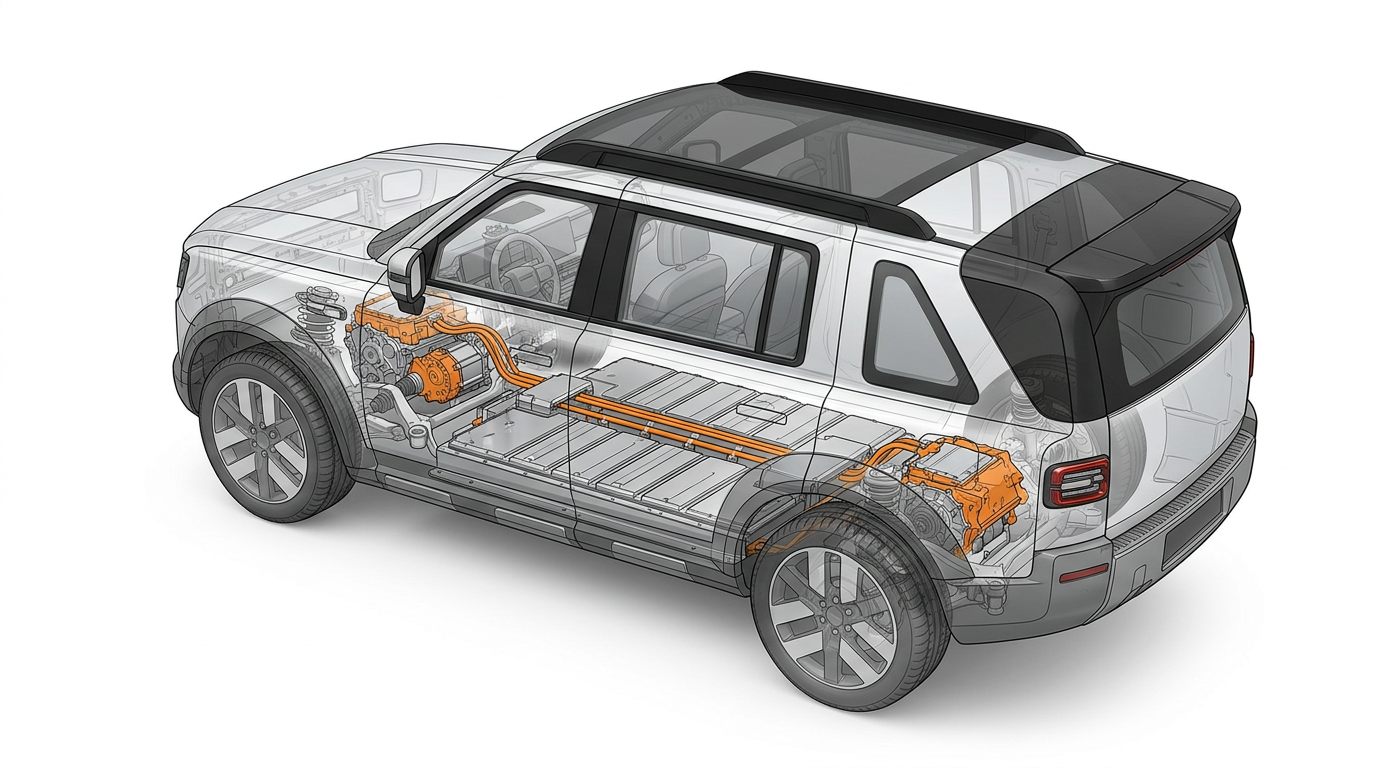
Modern vehicles begin with the platform. The Freelander 8 is expected to share its underpinnings with a new family of electrified SUVs, allowing significant flexibility in body styles, battery sizes and drive configurations without compromising the integrity of the structure.
A new-generation architecture built to flex between battery-electric and range-extender powertrains while preserving cabin space and torsional stiffness.
Likely to span a pure-EV variant with rapid DC charging plus a range-extender option targeting buyers needing long-distance touring confidence.
Tuned for UK roads with multi-link rear suspension, adaptive damping and intelligent torque distribution for confident all-weather driving.
Expected to include adaptive cruise, lane assist, blind-spot monitoring and an over-the-air-updatable assistance stack.
Software-defined cabin with OTA updates, integrated navigation, smartphone projection and a curated app environment.
Increased use of recycled and bio-based interior materials, with a low-carbon supply chain focus.
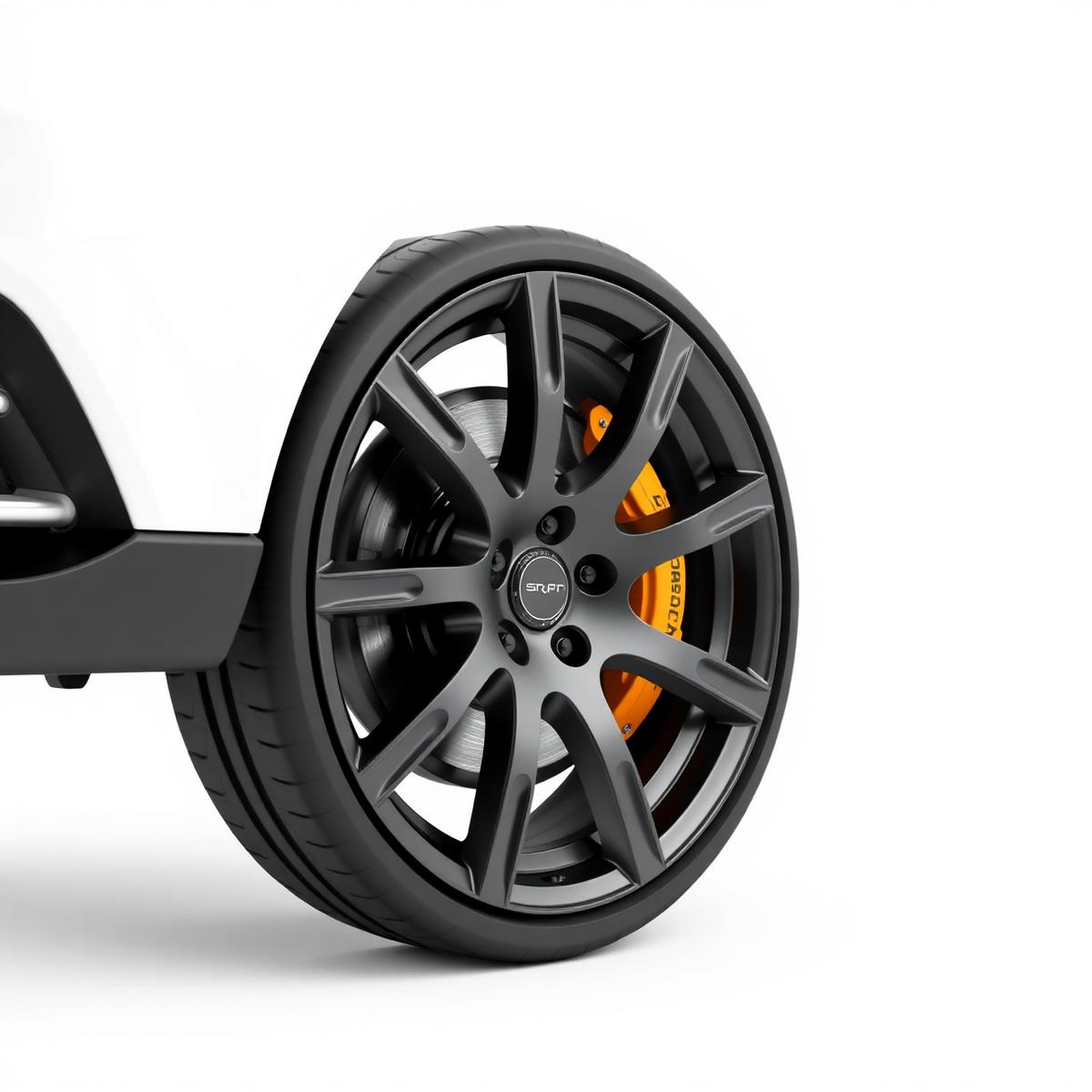
From wet B-roads to winter pavement and rough farm tracks, the Freelander 8 will need to deliver predictable, confident dynamics. Brake hardware, tyre choice and intelligent torque control all play a role.